Systems Built to Handle Mountain Winters
Residential HVAC Installation in Fall Waters for homes needing reliable heating and cooling that holds up through seasonal temperature swings
AeroTherm HVAC installs complete heating and cooling systems for homes in Fall Waters and surrounding communities, including Martinsburg, Hedgesville, Charles Town, Shepherdstown, and Inwood. You need this service when your current system no longer keeps up with demand, when energy bills climb without explanation, or when you're preparing a newly built home or addition for year-round use. The installation process begins with a detailed assessment of your home's size, layout, insulation quality, and how you actually use the space throughout the year.
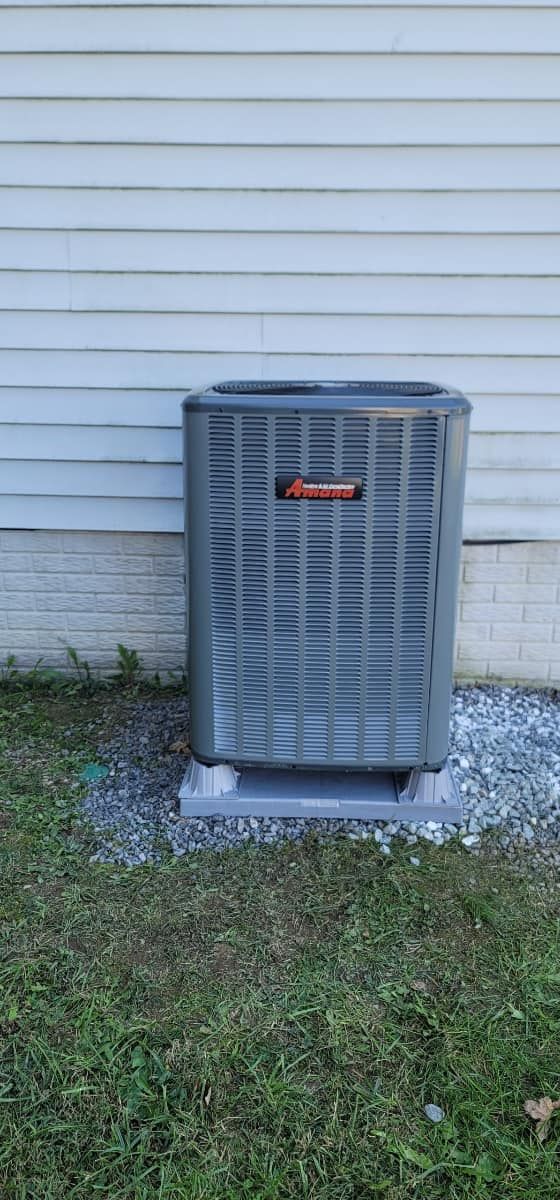
Installation involves removing old equipment if present, positioning new furnaces, heat pumps, central air systems, or mini-splits according to airflow requirements, connecting refrigerant lines and electrical components, and testing system performance under load. Custom system recommendations account for whether your home has multiple stories, older windows, or specific rooms that tend to run hot or cold. The goal is matching equipment capacity to actual heating and cooling demand so the system cycles properly instead of running constantly or short-cycling.
Schedule a free estimate to evaluate your home's specific efficiency goals and system requirements.
What Proper System Sizing Requires
Proper residential HVAC installation depends on accurate load calculations that account for square footage, ceiling height, window placement, insulation levels, and how many occupants generate heat during daily activity. Oversized systems waste energy by cycling on and off too frequently, while undersized systems run continuously without reaching set temperature. AeroTherm HVAC bases equipment selection on these measurements rather than generic recommendations, ensuring the furnace or heat pump you install can handle cold snaps without straining and cool efficiently during summer humidity.
Once installation finishes, you'll notice even temperatures across rooms that previously felt stuffy or drafty, lower monthly energy bills compared to an aging or mismatched system, and quieter operation during startup and shutdown cycles. The system reaches your thermostat setting faster and holds it steadily instead of swinging several degrees above or below target. Ductwork is sealed and insulated where needed so conditioned air reaches living spaces instead of leaking into attics or crawlspaces.
The installation process includes system commissioning to verify airflow, refrigerant charge, and thermostat calibration before the work is considered complete. Clean installation practices mean protecting floors and belongings during equipment transport, removing all debris and old components, and walking you through basic filter maintenance and thermostat operation. Projects are scheduled to minimize disruption, with most residential installs completed within one to two days depending on system complexity and whether ductwork modifications are needed.
Questions Before Starting Your Project
Homeowners preparing for new heating and cooling systems often ask about timing, equipment options, and what the installation process involves on a practical level.
What factors determine which type of system works best for my home?
The decision between furnaces, heat pumps, and mini-splits depends on your existing ductwork condition, whether you heat with gas or electricity, how many zones you want to control independently, and your long-term energy cost priorities. Homes without ducts or with problem areas that central systems don't reach well often benefit from ductless mini-split installations.
How does the installation process affect my daily routine?
Most residential HVAC installations take one to two days, during which heating or cooling will be temporarily offline. AeroTherm HVAC schedules work to avoid extreme weather when possible and completes installations efficiently to restore comfort quickly. You'll need to provide access to mechanical areas, outdoor unit locations, and electrical panels during the work.
What should I expect in terms of energy efficiency improvements?
New systems installed in Fall Waters typically achieve SEER ratings of 16 or higher and AFUE ratings above 95 percent, compared to older units operating in the 10 SEER or 80 AFUE range. This translates to noticeably lower utility bills, especially during winter heating season when older furnaces consume significantly more fuel per heating cycle.
Will the new system require different maintenance than my old one?
Modern systems use similar filter replacement schedules, but higher efficiency equipment benefits from more consistent seasonal tune-ups to maintain performance. Neglecting maintenance on a high-efficiency system reduces its advantage over standard equipment and can void manufacturer warranties that require documented professional service.
How long does a professionally installed residential system typically last?
Furnaces and air conditioners installed correctly and maintained regularly generally operate reliably for 15 to 20 years, while heat pumps often reach 12 to 15 years depending on usage intensity. System lifespan depends heavily on installation quality, including proper sizing, airflow balance, and whether ductwork leaks were addressed during the installation process.
AeroTherm HVAC provides detailed estimates that outline equipment specifications, installation scope, and energy efficiency projections for your specific home. Request a consultation to review system options and plan your installation timeline around your comfort needs.