Equipment Designed for Continuous Operation
Light Commercial HVAC Installation in Fall Waters for offices and small facilities needing climate control systems built to handle daily business hours and occupancy loads
Commercial spaces generate different heating and cooling demands than residential buildings because of extended operating hours, higher occupant density, equipment that produces heat throughout the day, and the need for consistent temperature control during business operations. AeroTherm HVAC installs light commercial HVAC systems in Fall Waters and nearby communities, working with offices, retail spaces, small warehouses, and professional facilities that require reliable climate control without the complexity of large industrial systems. Installation services support new construction, tenant improvements, system replacements, and efficiency upgrades in buildings where downtime disrupts revenue and productivity.
The installation process starts with system design based on building layout, ceiling height, insulation quality, window exposure, occupancy patterns, and internal heat loads from computers, lighting, and machinery. Commercial equipment is built for longer run times and more frequent cycling than residential systems, with components rated for the wear patterns that come from maintaining 68 degrees during business hours regardless of outdoor conditions. Proper sizing accounts for peak loads during full occupancy while avoiding oversized equipment that wastes energy during partial-load conditions.
Request a site assessment to evaluate your building's specific HVAC requirements and energy efficiency opportunities.
What Changes After Installation Completes
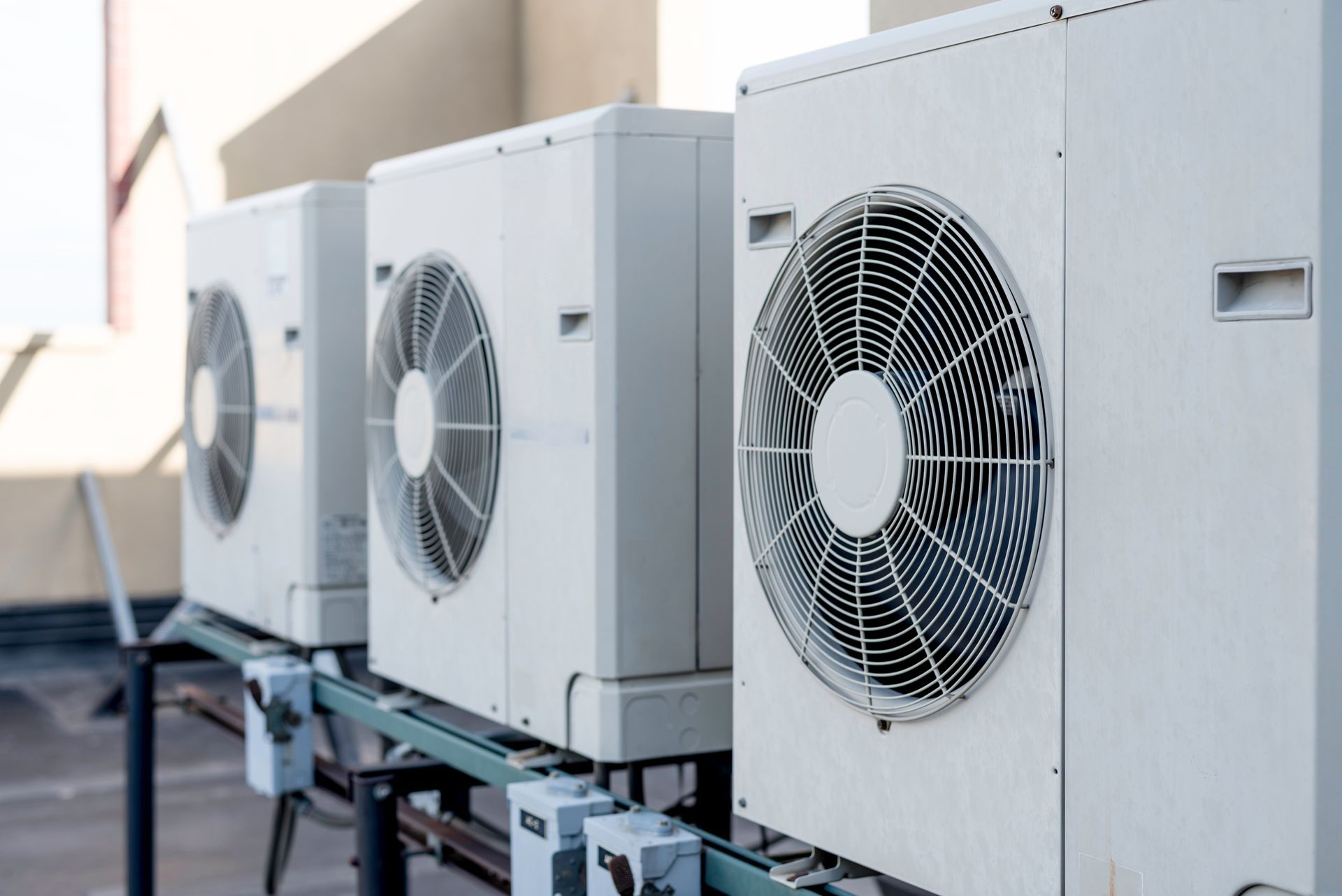
Commercial HVAC installation involves mounting rooftop units or positioning split systems where they provide adequate capacity without obstructing workflow, running refrigerant lines and electrical feeds to code, connecting to existing or new ductwork, installing programmable controls that adjust output based on occupancy schedules, and commissioning the system to verify performance under actual operating conditions. Energy-efficient equipment reduces operating costs over the system's lifespan, which matters significantly for businesses running HVAC 10 to 12 hours daily compared to residential systems that cycle intermittently.
Once the system is operational, employees and customers experience stable indoor temperatures without hot spots near windows or cold zones away from supply vents, humidity levels stay controlled so spaces don't feel clammy during cooling season, and the system recovers quickly when doors open frequently or conference rooms fill for meetings. Utility bills become more predictable because modern commercial equipment modulates output instead of running full-blast or shutting off completely, reducing the demand spikes that inflate commercial electric rates.
Professional installation minimizes disruption to business operations by scheduling work during off-hours or weekends when possible, coordinating with other trades during build-outs, and completing the work efficiently so the space becomes usable on schedule. AeroTherm HVAC manages the project timeline to meet your opening date or lease requirement while ensuring the system performs correctly from day one.
Answers to Frequent Service Questions
Business owners preparing for HVAC installations want to understand equipment selection, project timelines, and how the work affects daily operations.
What makes commercial HVAC equipment different from residential systems?
Commercial units are built with heavier-duty compressors, larger blowers, and components designed for extended daily operation and more frequent on-off cycles. They often include features like economizers that use outside air for free cooling when conditions allow, demand ventilation controls, and compatibility with building automation systems that residential equipment lacks.
How long does a typical light commercial installation take from start to finish?
Straightforward replacements in buildings with existing ductwork often complete within two to three days, while new construction or major retrofits requiring duct installation, electrical upgrades, or structural modifications can extend to one or two weeks depending on building size and complexity. AeroTherm HVAC provides detailed timelines during the planning phase so you can coordinate with other contractors and schedule occupancy accordingly.
Will the new system require modifications to existing ductwork or electrical service?
Many older commercial buildings have undersized ductwork or electrical panels that can't support modern high-efficiency equipment without upgrades. The site assessment identifies these needs upfront so you can budget accordingly and avoid surprises mid-project. Proper duct sizing is critical for commercial systems because inadequate airflow causes comfort complaints and shortens equipment life.
How do energy-efficient commercial systems control long-term operating costs in Fall Waters?
Variable-speed compressors and fans reduce electricity consumption during partial-load conditions, programmable thermostats prevent heating or cooling empty buildings, and high-efficiency heat exchangers extract more heating or cooling from each unit of energy consumed. Over a system's 15 to 20 year lifespan, these features typically offset their higher upfront cost through lower monthly utility bills.
What kind of maintenance will the installed system need to maintain performance?
Commercial HVAC systems benefit from quarterly maintenance visits rather than the twice-yearly schedule common for residential equipment because longer run times accelerate wear and filter loading. Regular service includes filter changes, coil cleaning, refrigerant level checks, electrical connection inspection, and calibration of controls to maintain efficiency and catch developing problems before they cause downtime during business hours.
AeroTherm HVAC designs commercial installations around your specific business needs, building characteristics, and budget parameters. Set up a consultation to discuss system options and develop an installation plan that supports your operational requirements.