Year-Round Climate Control Without Separate Systems
Heat Pump Installation in Fall Waters for properties replacing outdated equipment or adding efficient heating and cooling capacity
Heat pumps deliver both winter warmth and summer cooling through a single installed system, eliminating the need for separate furnaces and air conditioners while reducing energy consumption compared to traditional equipment. Installation begins with evaluating your property's heating and cooling load, existing ductwork condition, and electrical capacity to ensure the selected unit matches actual demand rather than guesswork. AeroTherm HVAC sizes and installs heat pump systems throughout Fall Waters, focusing on configurations that maintain consistent indoor temperatures without the efficiency losses that come from oversized or improperly installed equipment.
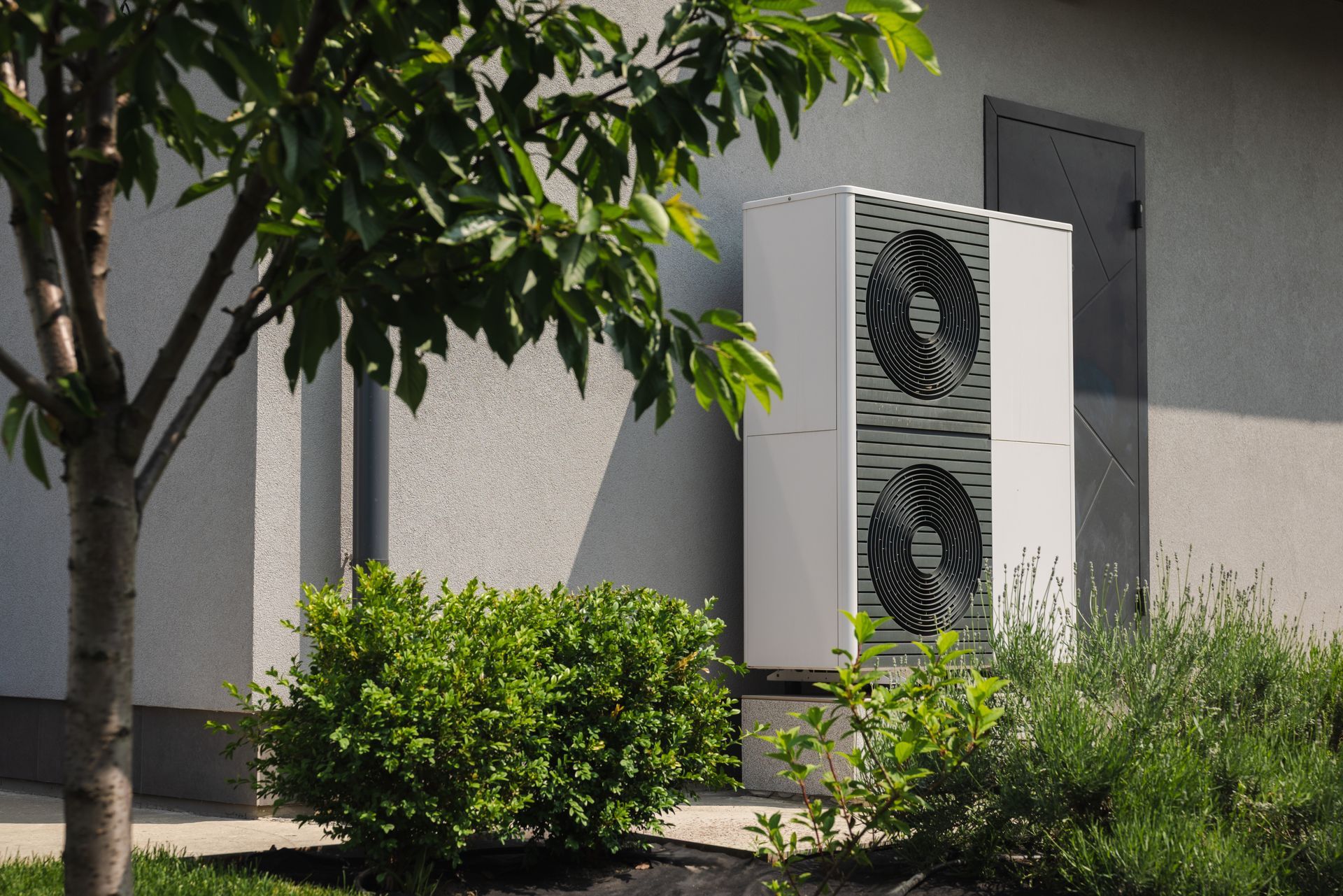
The installation process includes mounting the outdoor condenser on a level pad with proper clearance, connecting refrigerant lines with precise brazing to prevent leaks, and integrating controls with your thermostat for seamless mode switching. Proper refrigerant charge and airflow calibration during startup determine whether the system operates as efficiently as its specifications promise or wastes energy from day one.
Arrange a property assessment to determine the correct heat pump size and configuration for your home's specific layout.
How Proper Installation Affects Long-Term Performance
Heat pump efficiency depends on factors like refrigerant line length, insulation quality, condenser placement relative to prevailing winds, and electrical connections that deliver stable voltage under load. Systems installed without attention to these details may cool adequately but struggle during heating mode, or operate at higher energy costs than expected because line sets weren't properly insulated or refrigerant charge wasn't verified with precision instruments.
Once your heat pump is running, you'll experience rooms that reach temperature setpoints quickly in both seasons, utility bills that reflect the system's rated efficiency, and outdoor units that operate quietly without vibration or unusual sounds. The system switches between heating and cooling modes without manual intervention, and indoor humidity stays within comfortable ranges because the equipment cycles properly instead of running continuously at reduced capacity.
Post-installation guidance covers thermostat programming, filter replacement intervals, outdoor unit maintenance, and what operational sounds are normal versus those indicating a problem. Professional setup ensures the equipment delivers its expected lifespan rather than requiring premature repairs due to installation errors.
Common Questions Before Installing a Heat Pump
Property owners in Fall Waters typically want to understand how heat pumps differ from traditional HVAC systems and what installation involves.
What determines the right size heat pump for a home?
Load calculations account for square footage, insulation levels, window area, ceiling height, and local climate data to match equipment capacity with actual heating and cooling demand. Oversized units short-cycle and waste energy, while undersized systems run constantly without maintaining comfort.
How does a heat pump work differently than a furnace and air conditioner?
Heat pumps move heat rather than generate it, using a reversing valve to switch between extracting heat from outdoor air in winter and rejecting it during summer. This process uses less energy than combustion heating or traditional cooling.
What ductwork changes are needed for heat pump installation?
Existing duct systems often require sealing, insulation upgrades, or minor modifications to handle the airflow patterns heat pumps produce. Technicians inspect ductwork during the assessment phase to identify necessary improvements.
How long does installation take from start to finish?
Most residential heat pump installations complete in one day, assuming electrical service and ductwork are ready. Properties requiring electrical panel upgrades or significant duct modifications may need additional time for preparation.
What maintenance does a heat pump need after installation?
Seasonal filter changes, annual professional inspections, outdoor coil cleaning, and refrigerant level checks keep systems operating efficiently. Fall Waters' seasonal temperature swings make spring and fall maintenance particularly important for catching issues before extreme weather arrives.
AeroTherm HVAC installs energy-efficient heat pump systems tailored to property-specific heating and cooling requirements, with thorough guidance on operation and maintenance after installation. Call (304) 384-0182 to discuss your current system's performance and receive a detailed installation proposal based on your home's actual load requirements.